
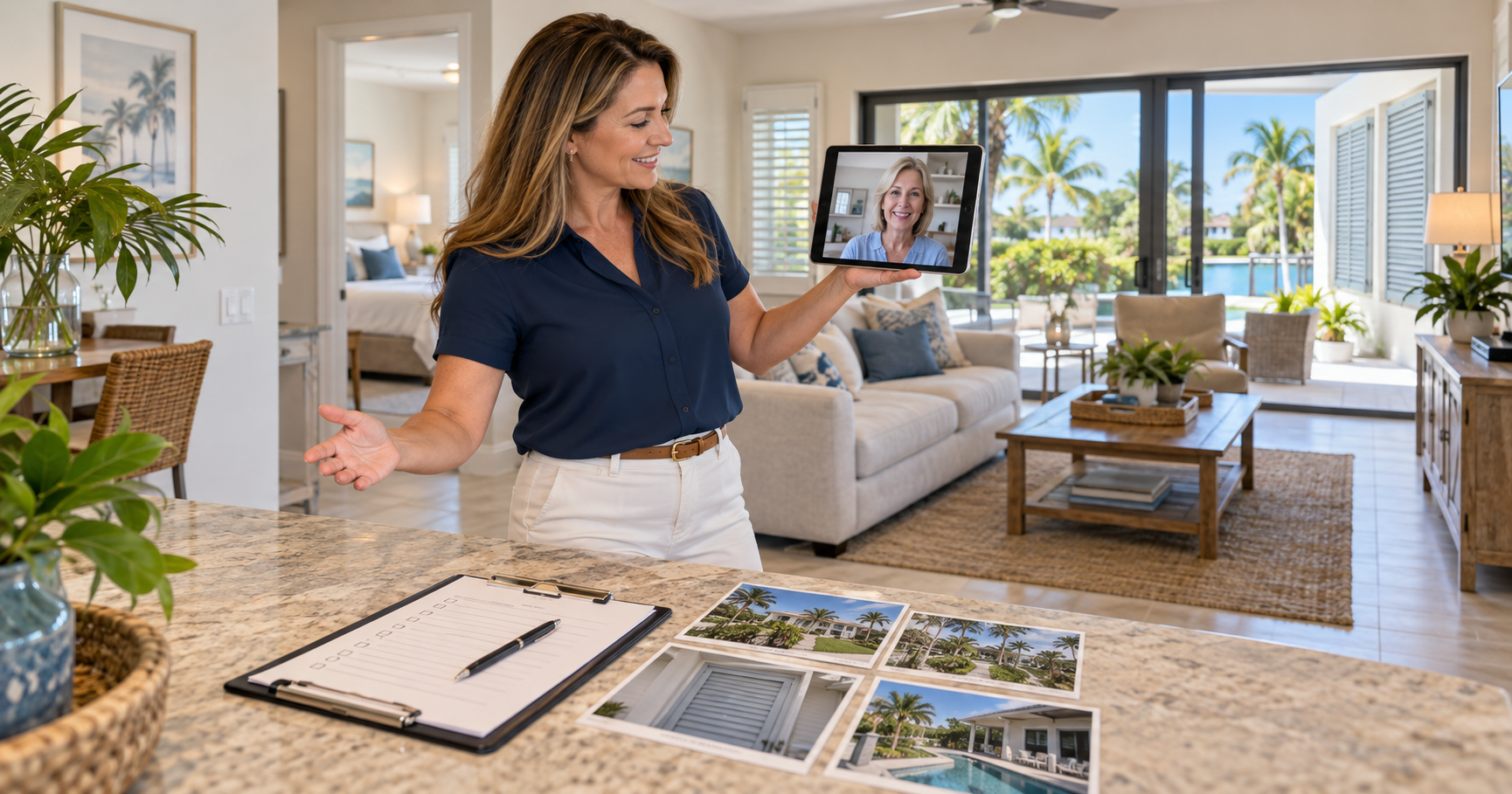
How to Secure and Maintain an Inherited Florida House From Out of State
Direct answer: To protect an inherited Florida house from another state, confirm who can act for the estate, secure and document the property, tell the insurer how the home is occupied, keep essential systems operating, and arrange recurring local inspections. Use written scopes, licensed contractors, dated photos, and one accountable local coordinator.
Inheriting a home in Southwest Florida can create two jobs at once: administering an estate and protecting a property hundreds or thousands of miles away. The house may be empty, its condition may be unclear, and hurricane season, humidity, plumbing leaks, pools, landscaping, and local code requirements do not pause while the family decides what to do.
The immediate goal is not to renovate. It is to prevent avoidable damage, establish reliable oversight, and preserve the family’s options to keep, rent, or sell the property.
What should you do first with an inherited Florida house?
Start by separating authority from access. Having a key does not necessarily mean someone has legal authority to sign contracts, direct insurance claims, or sell estate property. The personal representative, trustee, surviving co-owner, or other authorized person should coordinate with the estate attorney before making major commitments.
Once authority is clear, work through these priorities:
- Control access. Collect keys, garage remotes, gate credentials, alarm codes, and vendor access information. Consider rekeying exterior locks if key control is uncertain.
- Document the starting condition. Record a dated video walkthrough and clear photos of every room, exterior elevation, roof areas visible from the ground, pool, electrical panel, HVAC equipment, and utility meters.
- Check for urgent hazards. Look for active water leaks, roof openings, mold-like growth, broken windows, unsafe electrical conditions, pest activity, and storm damage.
- Contact the insurance agent or carrier. Report the death of the named insured and describe the home’s actual occupancy accurately. Do not assume the existing policy automatically continues unchanged or covers a long vacancy.
- Keep essential services stable. Avoid casually shutting off electricity to a home that needs air-conditioning, alarms, pool equipment, a sump system, or other powered protection. Ask appropriate professionals how to reduce risk at that specific house.
- Assign a local point person. One accountable coordinator should inspect, photograph, report, and obtain approvals instead of leaving several relatives and vendors to act independently.
Florida’s Department of Financial Services advises consumers to understand their homeowners coverage and claims responsibilities; coverage depends on the policy, property, occupancy, and insurer. Review the actual contract with the carrier or a licensed insurance professional rather than relying on a generic rule. (Florida DFS homeowners insurance overview)
A practical remote property-maintenance plan
An effective plan gives each task an owner, a frequency, and proof that it was completed.
| Area | What to verify | Sensible documentation |
|---|---|---|
| Access and security | Locks, doors, windows, gates, alarms, exterior lighting | Date-stamped exterior and entry photos |
| Water and plumbing | Visible leaks, supply lines, water heater, toilets, shutoff location | Meter photo and photos beneath sinks |
| HVAC and humidity | System operating, thermostat setting, drain line, signs of condensation | Thermostat and air-handler photos |
| Roof and exterior | Missing materials, soffit damage, gutters, screens, branches | Ground-level photos after severe weather |
| Pool and yard | Water condition, pump operation, fencing, mowing, fallen limbs | Wide photos of pool, enclosure, and yard |
| Mail and notices | Tax, association, utility, insurance, and code correspondence | Scanned notices sent to the authorized person |
| Interior condition | Odors, staining, pests, ceiling changes, appliance leaks | Repeat photos from the same viewpoints |
The inspection interval should reflect the house, season, insurance requirements, and risk. A waterfront pool home in Collier County may need a different schedule than a small inland house in Lehigh Acres. The important point is consistency: the family should know who checked the property, when, what changed, and what happens next.
Use a written inspection report
A useful report can be short. It should include the date, inspector’s name, weather, rooms checked, utility status, new damage, photos, and recommended action. Repeating the same photo angles makes it much easier to spot a growing ceiling stain, yard deterioration, pool problem, or exterior opening.
Create an approval limit
Give the local coordinator written instructions about what can be handled immediately and what requires approval. For example, emergency water mitigation may warrant rapid action, while a kitchen remodel plainly does not. This reduces delay without giving a vendor or relative unlimited discretion.
Southwest Florida risks absentee heirs should monitor
Heat, humidity, and slow leaks
An empty home can look fine from the street while moisture damage develops inside. Air-conditioning failures, clogged condensate lines, refrigerator supply lines, water heaters, toilets, and under-sink plumbing can create expensive damage before an out-of-state owner knows there is a problem.
Avoid one-size-fits-all instructions about thermostat settings or shutting off water. The right approach depends on the building, plumbing, HVAC system, insurer, and whether someone regularly enters the property. A licensed HVAC technician, plumber, and insurance professional can help establish a property-specific plan.
Hurricanes and severe weather
Florida’s official preparedness guidance tells residents to know their evacuation zone and the home’s ability to withstand storm conditions. For an absentee-owned house, the plan should also identify who may install shutters, move loose exterior items, photograph the property before the storm, and inspect it afterward. (Florida Division of Emergency Management: Plan & Prepare)
Do not wait for a named storm to locate shutters, confirm hardware, clear the lanai, or decide who has access. Contractors and caretakers may be heavily committed once forecasts threaten Lee, Charlotte, or Collier County.
Pools, lawns, and exterior appearance
Green pool water, overgrown vegetation, debris, damaged screening, and unsecured openings can create safety, association, and code-enforcement issues. Local requirements vary by jurisdiction and community. Lee County, for example, maintains public resources for building and property-maintenance complaints and an online portal for permitting and code-enforcement activity. (Lee County Code Enforcement)
If the home is in Cape Coral, Fort Myers, Bonita Springs, Naples, Punta Gorda, or another municipality, check the city’s rules rather than assuming county procedures apply.
Should you repair the house before deciding whether to sell?
Usually, preservation comes before improvement. Divide proposed work into three categories:
- Emergency protection: stopping active water intrusion, securing broken openings, correcting immediate electrical or safety hazards, and preventing additional damage.
- Required maintenance: restoring failed HVAC, addressing pool or landscaping conditions, pest control, and resolving confirmed code or association issues.
- Market preparation: painting, flooring, fixtures, landscaping upgrades, and other work intended to improve buyer appeal.
Authorize the first two categories when justified and properly documented. Delay cosmetic work until you understand the home’s value, likely buyer, insurance condition, title or probate constraints, and expected return on the work.
A dated local market analysis can prevent a common mistake: spending retail renovation dollars on improvements that a buyer may remove or that do not produce an equivalent increase in net proceeds.
How to hire contractors when you live out of state
Remote owners should be especially careful because they cannot easily inspect progress in person.
- Write a clear scope of work.
- Obtain more than one estimate for non-emergency work when practical.
- Verify any required state license through Florida’s official licensing portal. (DBPR license search)
- Confirm permits with the correct city or county before work starts.
- Require proof of insurance appropriate to the work.
- Tie payments to documented milestones rather than vague progress.
- Request dated photos, invoices, warranties, permit numbers, and final inspection records.
- Have an independent local representative verify completion when the scope is significant.
Lee County’s eConnect portal allows users to manage or research development, permitting, and code-enforcement activity. Other Southwest Florida jurisdictions operate their own systems. (Lee County Application and Information Center)
What can a local real estate broker coordinate?
A broker is not a substitute for an attorney, insurance agent, licensed contractor, home inspector, or property manager. A locally experienced broker can still reduce the distance problem by:
- arranging an initial walkthrough;
- providing current market context;
- identifying issues a typical buyer or inspector may notice;
- meeting inspectors and vendors when agreed;
- documenting condition with photos or video;
- comparing an as-is sale with selected repairs;
- coordinating showings, contract milestones, and remote closing steps.
Define the role in writing. If ongoing management, tenant services, or specialized construction oversight is needed, use the appropriately licensed professional.
A simple decision framework for inherited-property spending
Before approving an expense, ask:
- Does this prevent additional damage or address safety?
- Is it required by an insurer, association, code official, or existing contract?
- Do we have authority to order the work?
- Is a permit or licensed trade required?
- Will the work materially improve marketability or net proceeds?
- Could the buyer reasonably prefer to choose the finish or repair method?
- Do we have photos, written scope, price, and completion evidence?
This framework helps families protect the asset without drifting into an open-ended renovation.
Frequently asked questions
Can I leave an inherited Florida house empty while probate is pending?
The home may remain empty, but it still needs insurance review, security, maintenance, and local oversight. Ask the estate attorney who may authorize work, and tell the insurer the truth about occupancy. Policy terms and probate authority depend on the specific facts.
Should I turn off the water in a vacant Florida house?
Sometimes shutting off the domestic water supply reduces leak risk, but the correct plan depends on the plumbing, fire protection, irrigation, pool equipment, appliances, insurer requirements, and visit schedule. Have a qualified local professional evaluate the house rather than applying a universal rule.
How often should someone inspect an inherited house?
There is no single interval for every property. Follow the insurance policy, professional recommendations, community requirements, season, and the home’s condition. A house with an older roof, pool, prior leaks, or active repairs may need more frequent checks than a stable property.
Does homeowners insurance cover a vacant inherited home?
Coverage cannot be assumed. Vacancy or a change in the named insured may affect coverage under the specific policy. Contact the carrier or licensed agent promptly, disclose the circumstances accurately, and obtain written confirmation of the coverage or replacement policy.
Do repairs to an inherited Florida house require permits?
Some work does and some maintenance may not, depending on the scope and jurisdiction. Confirm requirements with the city or county before work begins. Calling a project a “repair” does not automatically eliminate permit obligations.
Should heirs renovate before listing an inherited house?
Not automatically. First compare an as-is sale with targeted repair scenarios using realistic costs, timelines, carrying expenses, buyer demand, and expected net proceeds. Safety and preservation usually come before cosmetic renovation.
- How remote real estate closings actually work
- How Long Does Probate Take in Florida When a House Is Involved?
- Selling a Florida rental property you manage from out of state
- What Happens If You Inherit a House in Florida and Live Out of State?
Authoritative external sources
- Florida Department of Financial Services — Homeowners Insurance Overview
- Florida Office of Insurance Regulation — Hurricane Season Resources
- Florida Division of Emergency Management — Plan & Prepare
- Florida DBPR — Verify a License
- Lee County — Code Enforcement
- Lee County — Application and Information Center
Image concept and alt text
For help evaluating an inherited home in Southwest Florida, contact Steelbridge Realty LLC at 239-329-8371 or steelbridgerealtyllc@gmail.com. We can inspect the property, explain the local market, develop a selling strategy, and coordinate with your attorney and title company.
This article is provided for general educational purposes and is not legal, tax, insurance, or financial advice. Probate and homestead issues depend on the specific facts of each estate. Consult qualified Florida professionals before making decisions about inherited property.
 Steelbridge Realty LLC is a Licensed Real Estate Brokerage that utilizes cutting-edge marketing techniques and data-driven Real Estate solutions in today’s ever-changing environment. Our group of professionals has decades of experience and has navigated through many business cycles. Our diverse background gives us the tools to guide people toward successful decisions.




Views: 0