
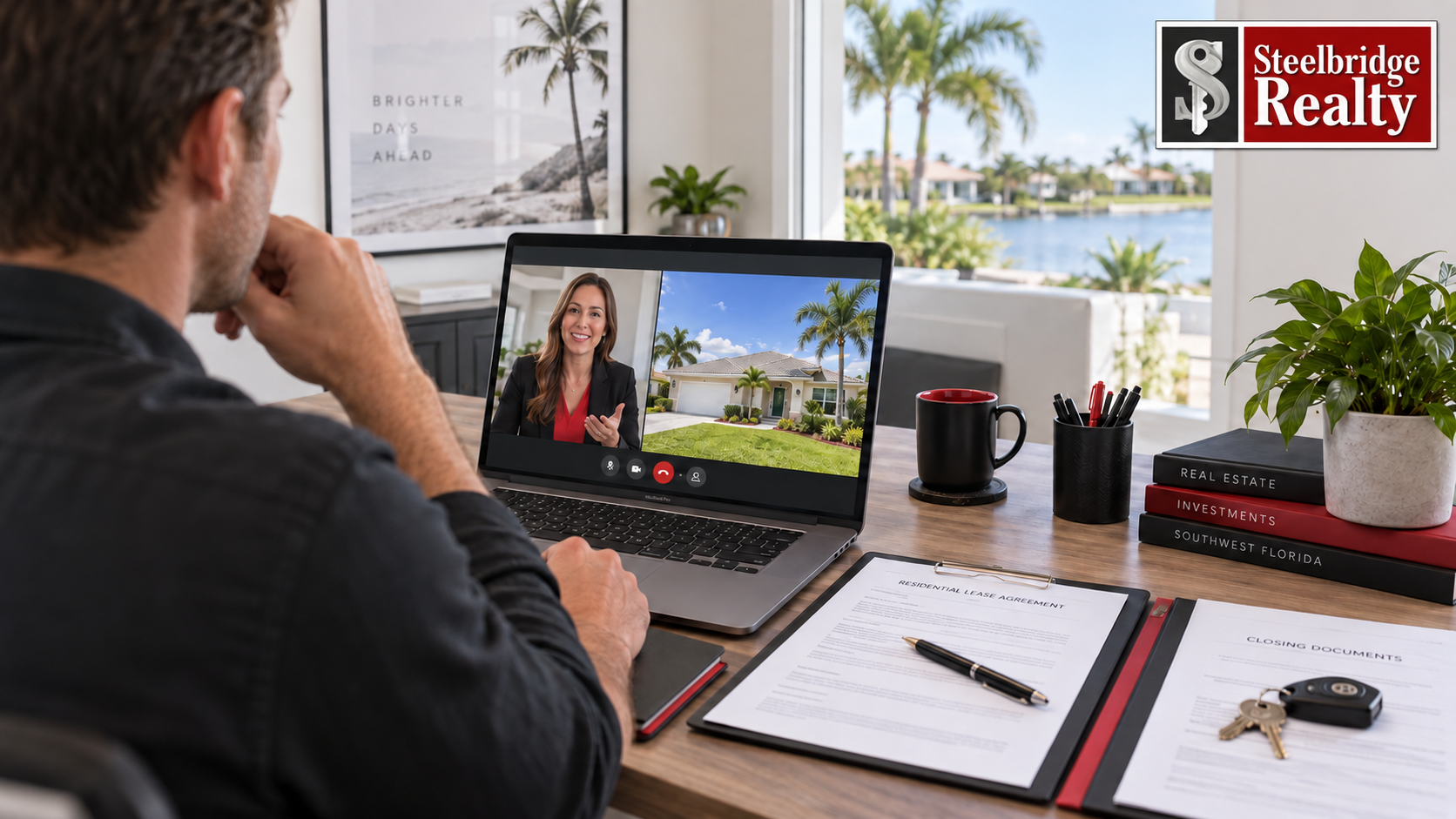
Managing a Southwest Florida rental from hundreds or thousands of miles away can become exhausting. Insurance renewals, air-conditioning failures, storm repairs, tenant turnover and contractor coordination all arrive on Florida time, not yours. Selling may be the right decision, but a remote landlord should not begin by simply placing a sign in the yard.
The first decisions are operational: Is there a valid lease? Is the tenant cooperative? Does the property show well? Would an investor pay more for dependable in-place income, or would an owner-occupant pay more if the home were vacant?
A well-planned sale protects the tenant’s rights, preserves the property’s income history and gives buyers reliable information.
Can you sell a Florida rental property with a tenant in place?
Yes. A Florida landlord can sell a rented property, but the sale does not automatically erase a fixed-term lease. The buyer generally acquires the property subject to the tenant’s existing contractual rights unless the lease itself provides a lawful basis for termination or the parties reach a voluntary written agreement.
That makes the lease the first document to review. Check:
- The lease start and expiration dates
- Renewal and holdover provisions
- Any sale, termination or early-termination language
- Required notices and permitted delivery methods
- Showing and access provisions
- Security deposit and advance-rent records
- Pet, maintenance and utility arrangements
- Any side agreements, concessions or unresolved tenant claims
Do not promise a buyer that the property will be vacant until the lease and applicable law have been reviewed. If the tenant is month-to-month or approaching the end of a term, obtain Florida legal guidance on the correct notice and timing. Florida’s residential landlord-tenant rules appear in Part II of Chapter 83, Florida Statutes.
Should you sell the rental occupied or vacant?
There is no automatic answer. The correct strategy depends on who is most likely to buy the property and how the tenancy affects value.
| Strategy | Potential advantages | Potential disadvantages |
|---|---|---|
| Sell with tenant in place | Continued income; attractive to investors when rent, payment history and lease terms are strong; avoids a vacancy before closing | Smaller owner-occupant buyer pool; showings require coordination; below-market rent or lease problems may reduce value |
| Wait until lease expiration | Creates time to plan; may allow repairs and broader marketing after vacancy | Delays sale; market conditions and carrying costs can change |
| Negotiate voluntary move-out | May produce a clean, vacant listing sooner | Must be voluntary and documented; may require financial consideration and legal review |
| Sell after tenant leaves | Easier access, cleaning, repairs and staging; open to investors and owner-occupants | No rental income during preparation and marketing; owner absorbs utilities, lawn care, insurance and vacancy risk |
When an occupied sale can work well
An occupied sale is often strongest when the tenant pays reliably, keeps the property in good condition and has a lease near market rent. Give investor buyers an organized package containing the lease, payment history, deposit accounting, maintenance records, utility responsibilities and documented expenses.
When vacancy may create more value
Vacancy may help when the likely buyer is an owner-occupant, when the interior needs substantial work, when the rent is materially below market or when access is so difficult that buyers cannot inspect properly. The added marketability must be weighed against lost rent and carrying costs.
How are showings handled with a Florida tenant?
Selling the property does not suspend the tenant’s right to possess the home. Florida Statute 83.53 governs landlord access and states that a landlord may enter for specified purposes, including inspection, repairs and showing the dwelling to prospective purchasers. The statute’s conditions and the lease should be reviewed before establishing a showing plan. Read the current law at Florida Statute 83.53.
The practical goal is cooperation, not maximum intrusion. A remote seller should establish:
- One local point of contact for the tenant.
- A written notice and scheduling process consistent with the lease and law.
- Defined showing windows rather than scattered requests.
- Procedures for pets, alarm systems and keys.
- Confirmation that photographs will not expose personal documents, valuables or identifying information.
- A plan for inspections, appraisal and final walkthrough access.
A cooperative tenant can help a sale. An angry tenant can complicate access, property condition and buyer confidence. Clear communication is usually less expensive than conflict.
Build the property file before listing
Out-of-state owners often have records spread among email, a property manager, a tax preparer and several contractors. Consolidate them before the buyer begins due diligence.
Lease and tenant records
Gather the signed lease, renewals, tenant ledger, security deposit record, advance-rent accounting, notices, maintenance requests and correspondence about unresolved issues. Remove or securely handle sensitive personal information that a buyer does not need during initial marketing.
Property and repair records
Collect invoices, warranties, permits and reports for the roof, air-conditioning system, water heater, plumbing, electrical work, storm repairs, septic system, pool and appliances. In Southwest Florida, buyers and insurers often focus on roof age, wind mitigation, four-point inspection items, prior claims and whether hurricane repairs were properly permitted.
Financial records
Prepare a truthful summary of rent received and recurring expenses. Include property taxes, insurance, association charges, lawn and pool care, pest control, management fees, repairs and utilities paid by the owner. Do not market gross rent as though it were net income.
What happens to the security deposit and advance rent?
Florida law requires careful handling when a rental property changes owners. Under Florida Statute 83.49(7), security deposits and advance rents held for tenants are to be transferred to the new owner or agent with earned interest, if applicable, and an accurate accounting of the amounts credited to each tenant.
This should be addressed in the contract and closing statement. The seller should be able to document:
- The deposit and advance rent originally received
- The account or method used to hold the funds
- Any interest that must be accounted for
- Amounts properly applied under the lease
- The balance transferred at closing
- The buyer’s or agent’s written receipt
Do not treat a tenant deposit as additional sale proceeds. Ask the closing agent and a Florida attorney how the transfer should be documented in the specific transaction.
How do you prepare the property without being in Florida?
A local broker should be able to show you the property before recommending work. For a Steelbridge remote-seller process, that can include a live or recorded walkthrough, dated photographs and vendor estimates for seller-approved items.
Prioritize work in this order:
1. Safety and active damage
Address leaks, unsafe electrical conditions, broken exterior doors, nonfunctioning cooling or other issues affecting habitability or continued property damage.
2. Insurance and financing obstacles
An old roof, an open permit or visible storm damage may matter more than cosmetic updates. Obtain property-specific advice before spending money.
3. Cleanliness, access and basic presentation
Remove exterior debris, trim vegetation, clean common areas and make sure agents can reliably access the property. For an occupied rental, any interior work must be coordinated lawfully and respectfully.
4. Optional improvements supported by the numbers
Do not renovate remotely simply because a buyer may prefer a newer kitchen. Compare the likely sale-price improvement with cost, delay and execution risk. An as-is listing may produce a better net result than a poorly managed renovation.
Price it for the actual buyer pool
A tenant-occupied rental should be analyzed in two ways.
First, compare it with similar recent residential sales. Second, analyze the income stream as an investor would. The lease rate, remaining term, expenses and property condition can create either value or a discount.
For example, a clean single-family rental in Lehigh Acres with a reliable tenant near market rent may appeal to an investor seeking immediate income. A Cape Coral house with a long lease far below market rent may be less attractive to an investor and unavailable to an owner-occupant who needs near-term possession. A Fort Myers condominium may also be governed by association approval and rental restrictions that narrow the buyer pool.
Pricing should reflect the property’s legal and operating reality—not the price of a vacant, renovated comparable that a buyer can immediately occupy.
Understand the tax questions before you accept an offer
Selling rental property may create taxable gain. Depreciation previously claimed or allowable may affect the calculation, and closing costs and capital improvements may affect adjusted basis. The IRS explains the rules for dispositions of property in Publication 544.
Before setting a minimum acceptable price, give a qualified tax professional your purchase records, depreciation schedules, capital-improvement invoices and expected selling expenses. If a replacement-property strategy such as a Section 1031 exchange is being considered, obtain specialized tax and legal advice before the sale closes and before receiving proceeds. Do not wait until closing week.
How does the remote sale and closing work?
Once the property is under contract, the broker coordinates local access for inspections, appraisal and the final walkthrough. The title company or closing attorney handles title requirements, payoff information, settlement figures, signing and recording.
Depending on the transaction and closing agent, an out-of-state seller may sign through a mobile notary, a mail-away package, an approved office near the seller or remote online notarization. Confirm the method early, especially if the property is owned by an LLC, trust or estate.
For security, obtain the title company’s telephone number independently and verify all sensitive banking instructions by calling that known number. Never rely solely on a last-minute email changing disbursement instructions.
Frequently asked questions
Can I sell my Florida rental property without coming to Florida?
Yes. A local broker can coordinate property access, marketing, inspections and vendors, while the closing agent arranges an approved signing method. Many out-of-state owners complete the entire sale remotely.
Does my tenant have to move because I am selling the property?
Not automatically. A sale generally does not eliminate the tenant’s rights under a valid fixed-term lease. Review the lease and obtain Florida legal advice before promising vacancy or delivering a termination notice.
Can buyers tour an occupied Florida rental?
Yes, subject to Florida law and the lease. Florida Statute 83.53 addresses landlord access, including showings to prospective purchasers. Use proper notice and a predictable schedule that respects the tenant’s possession.
Who receives the tenant’s security deposit after the sale?
Florida Statute 83.49 addresses the transfer of security deposits and advance rents to the new owner or agent with an accurate tenant accounting. The contract and closing documents should show how the funds and records are transferred.
Is it better to sell a rental occupied or vacant?
An occupied property may appeal to investors when the tenant and lease are strong. A vacant property can attract a broader owner-occupant pool and may be easier to repair and show. Compare likely price, carrying cost, timing and lease restrictions.
Will I owe taxes when I sell a Florida rental?
Possibly. Gain, adjusted basis, depreciation and prior use all matter. Review the transaction with a qualified tax adviser before closing; IRS Publication 544 provides general federal guidance but does not replace property-specific advice.
Suggested internal links
- Selling a Florida Home From Out of State → remote-seller pillar page
- How Remote Real Estate Closings Actually Work → Steelbridge topic #14
- What Happens If You Inherit a House in Florida and Live Out of State? → Steelbridge topic #1
- Request a Video Walkthrough CMA → remote property evaluation page
- Southwest Florida Property Management and Leasing → relevant Steelbridge service page
- Contact Steelbridge Realty → contact page
Authoritative external sources
- Florida Residential Landlord and Tenant Act — Part II, Chapter 83
- Florida Statute 83.53 — Landlord Access
- Florida Statute 83.49 — Deposits and Advance Rent
- IRS Publication 544 — Sales and Other Dispositions of Assets
For help evaluating an inherited home in Southwest Florida, contact Steelbridge Realty LLC at 239-329-8371 or steelbridgerealtyllc@gmail.com. We can inspect the property, explain the local market, develop a selling strategy, and coordinate with your attorney and title company.
This article is provided for general educational purposes and is not legal, tax, insurance, or financial advice. Probate and homestead issues depend on the specific facts of each estate. Consult qualified Florida professionals before making decisions about inherited property.
Views: 2